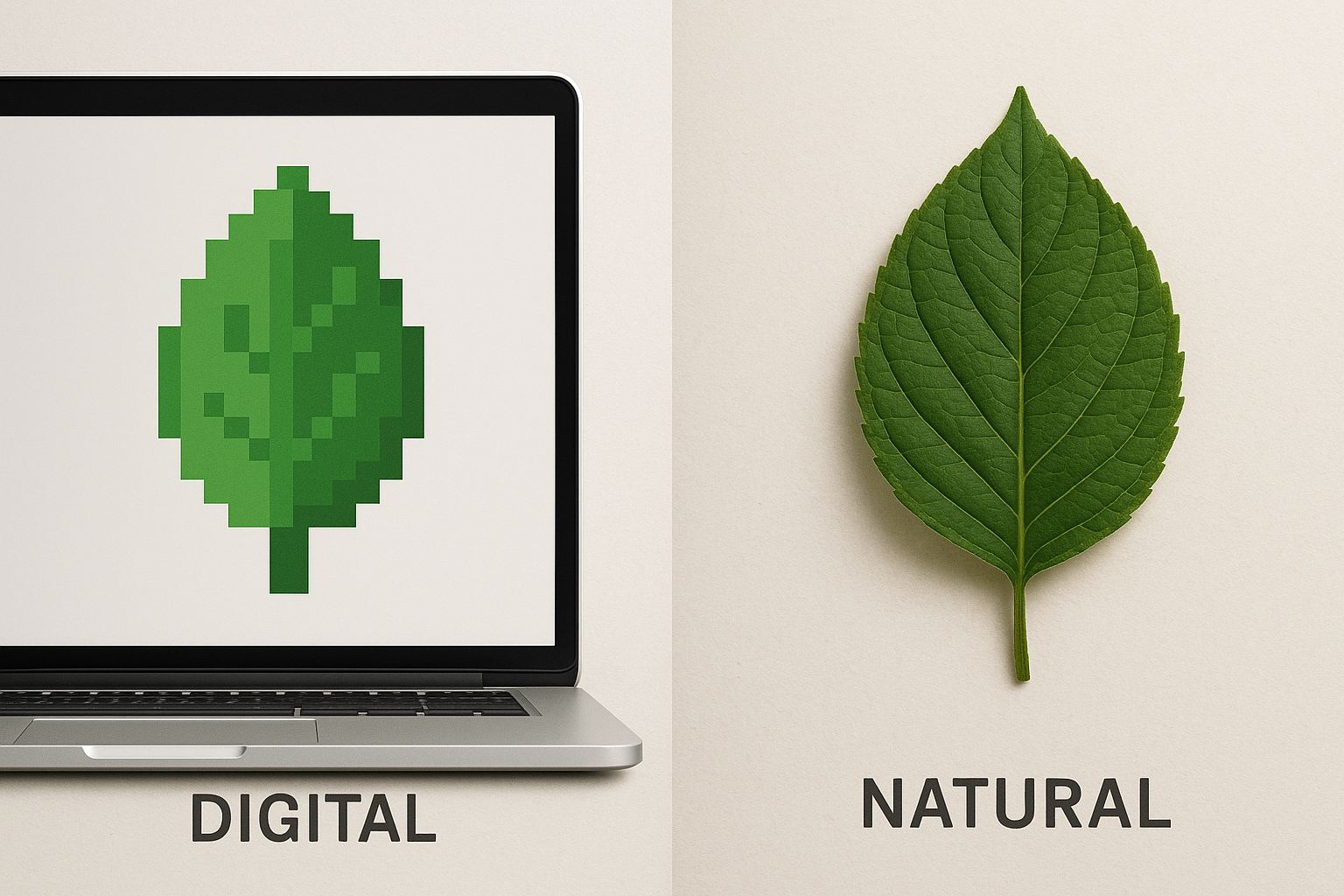
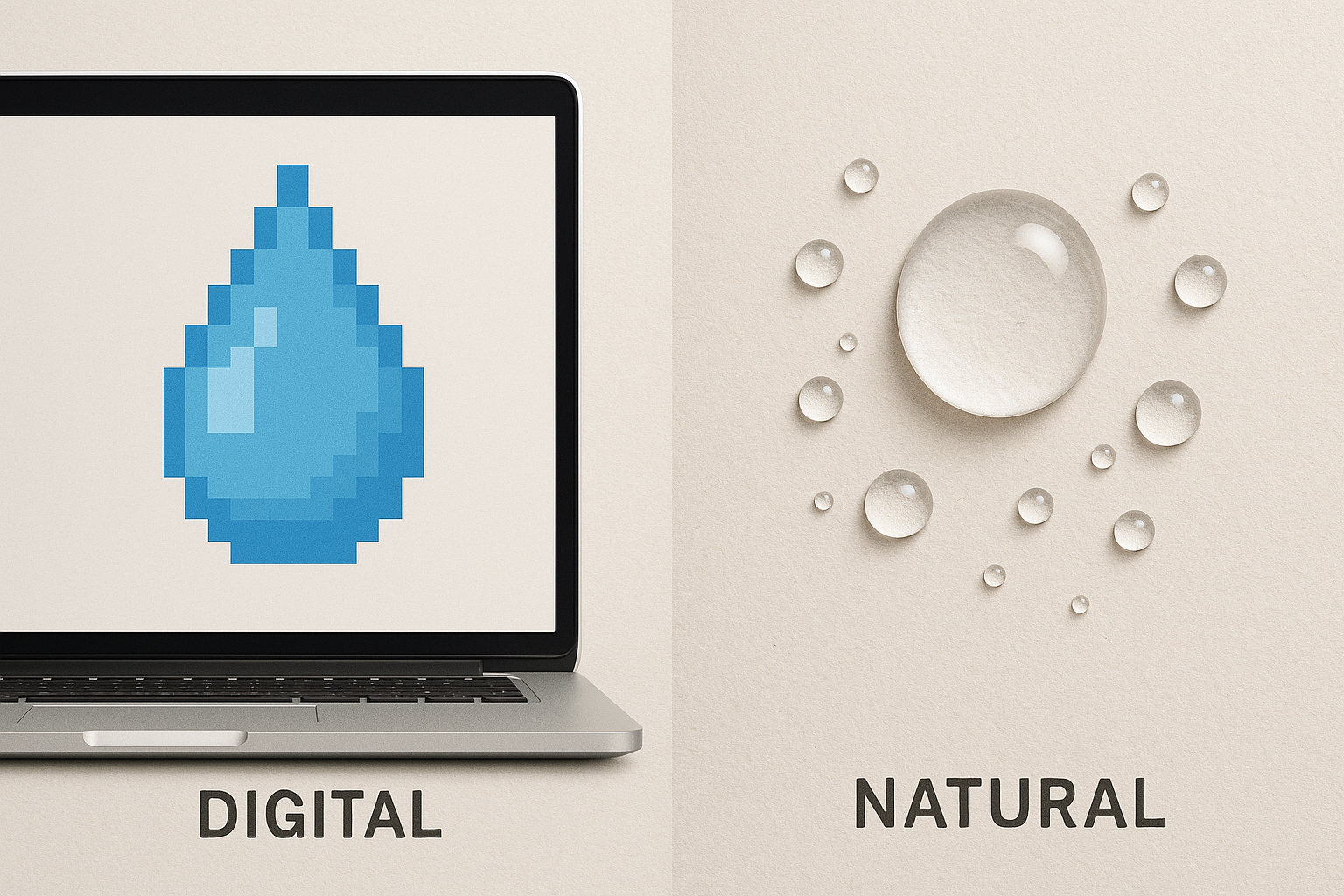
Comparing the digital Representation of an object to a physical representation reveals many differences.
Gained
Digital representations can be edited, zoomed, filtered, color-corrected, or transformed in ways that are impossible or impractical with physical objects.
Likewise, digital objects like a photo of a painting, a digital map, or a simulation of the solar system can be easily stored and shared. This communication between individuals is free.
Another major benefit to digital objects is the lack of decay and the ability to preserve them. This being said, digital objects can change due to hardware or software changes.
In addition to preservation, digital objects can be miniaturized or magnified beyond human capability, meaning they are very scalable.
Another nice feature is that digital items can be combined with metadata, annotations, or other media. This feature links a sculpture’s digital image to a historical context or expert commentary.
What is Lost
Digital objects cannot fully replicate texture, scale, smell, weight, or sound as experienced in the real world. For instance, seeing a painting online versus standing in front of it at a museum is vastly different.
Likewise, Physical or natural objects exist within a specific environment or context. That spatial and cultural context often gets stripped away digitally
Natural objects often have imperfections and nuances that resist digital simplification. A 3D scan or photograph may flatten or idealize details, omitting the unpredictability of the real