
The jounrey to the modern world of digital technology has been long, with many inventions contributing to the changing landscape.
One of the earliest individuals that contributed to the digitization of the world was Joseph Jacqard, who created the Jacquard Loom (1752-1834). The loom was controlled by punch cards and introduced the concept of programmable machines. The loom was created during the Industrial Revolution where mass production was taking off and automation was in high demand.
Later, the world saw developments in communication, with Samuel Morse creating Morse Code (1847-1922). This invention transformed person-to-person communication into real-time experience. This development came in the late stages of the Industrial Revolution, with the growth of business and media.
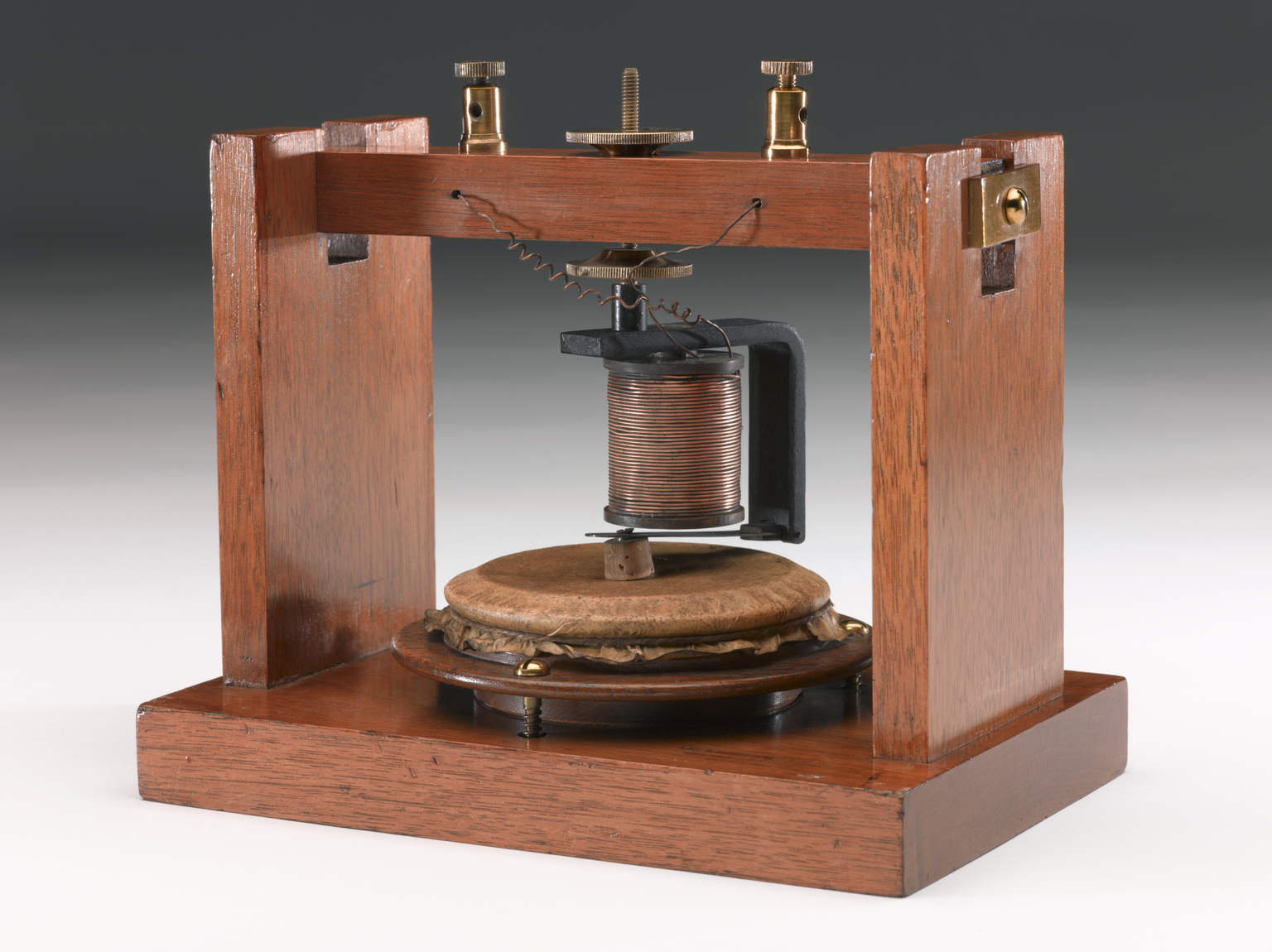
Soon after, Alexander Graham Bell created the telephone in 1876. This invention further transformed person-to-person communciation into real time experience. Once again, this invention was during the late Industrial Revolution.
By the late 1790s, inventors such as Charles Babbage were creating engine’s. Babbage designed the first conceptual model of a general-purpose computer, including components like the “mill” CPU and “store” (memory).
By 1953 transistors were becoming popular. These transistors were originally packing tubes and are very small. In 1907, Lee Deforest created the vaccum tube, the first tube that could amplify signals. This amplification of signals is what made transcontinental phone calls possible.
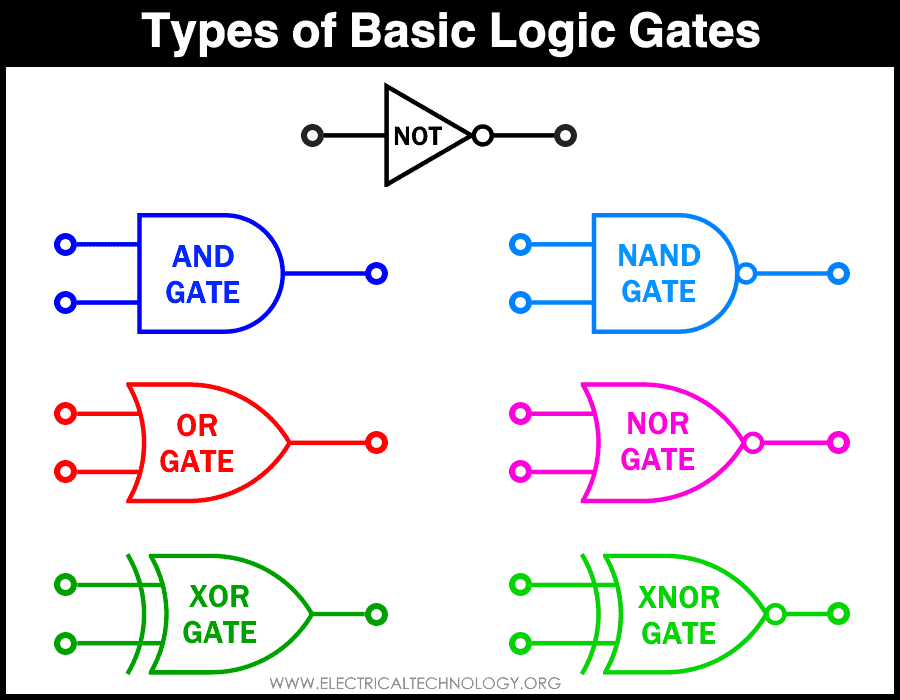
Micro Transistors were also a factor in digitization. These allowed computers to start counting using switches. This was the start of Binary, a way of counting and adding using computers.
The modern day has seen all types of innovators that have contrubuted to the further digitization of the world and the development of technology. Here, we see individuals such as Mark Zuckerberg, Steve Jobs, and Bill Gates create foundational ideas that build off of the creations of those previously discussed. One of these major deveopments was AI, which has changed how we interact with technology, using computers as predictive thought machines instead of just mechanisms to count.