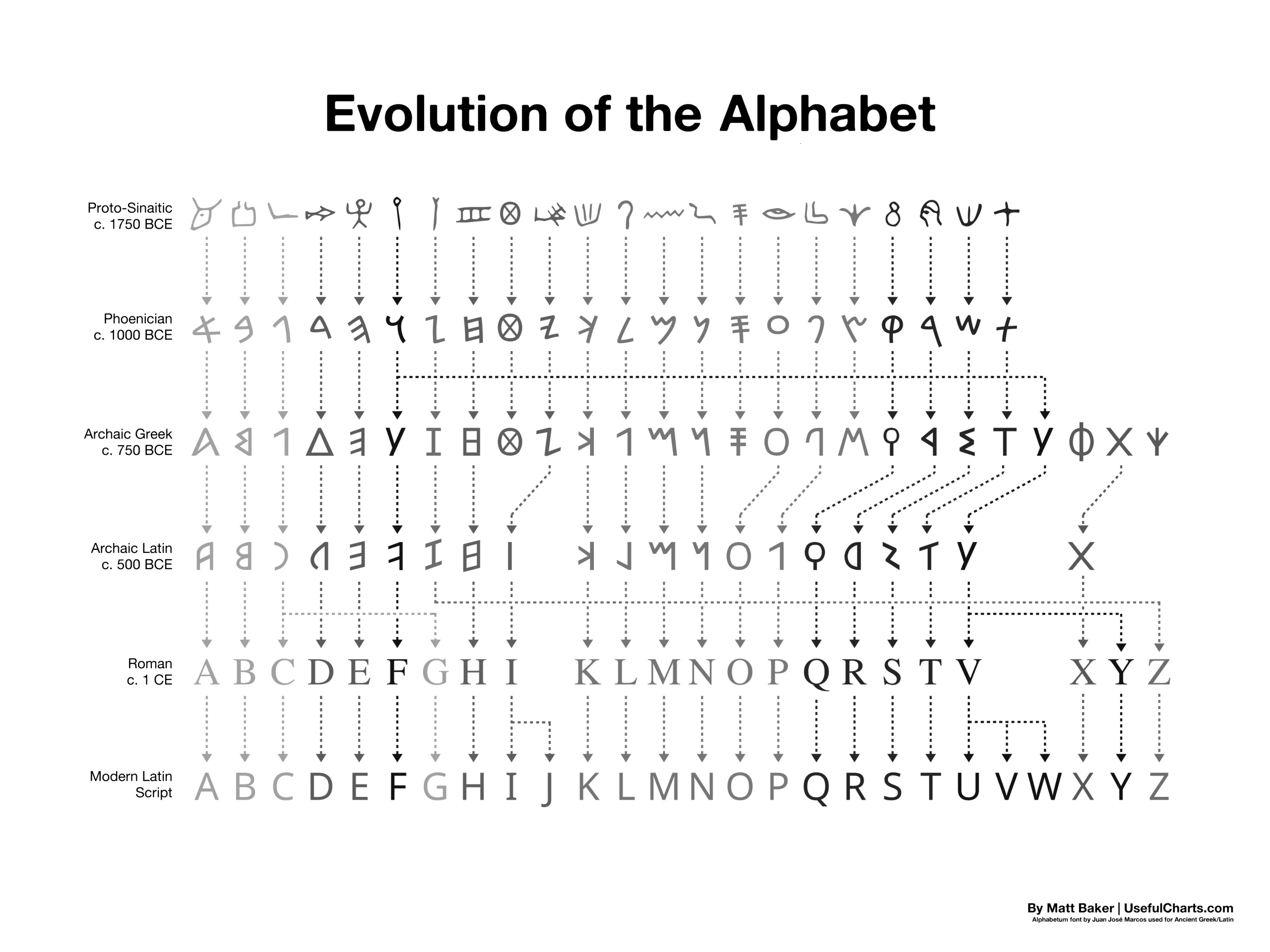
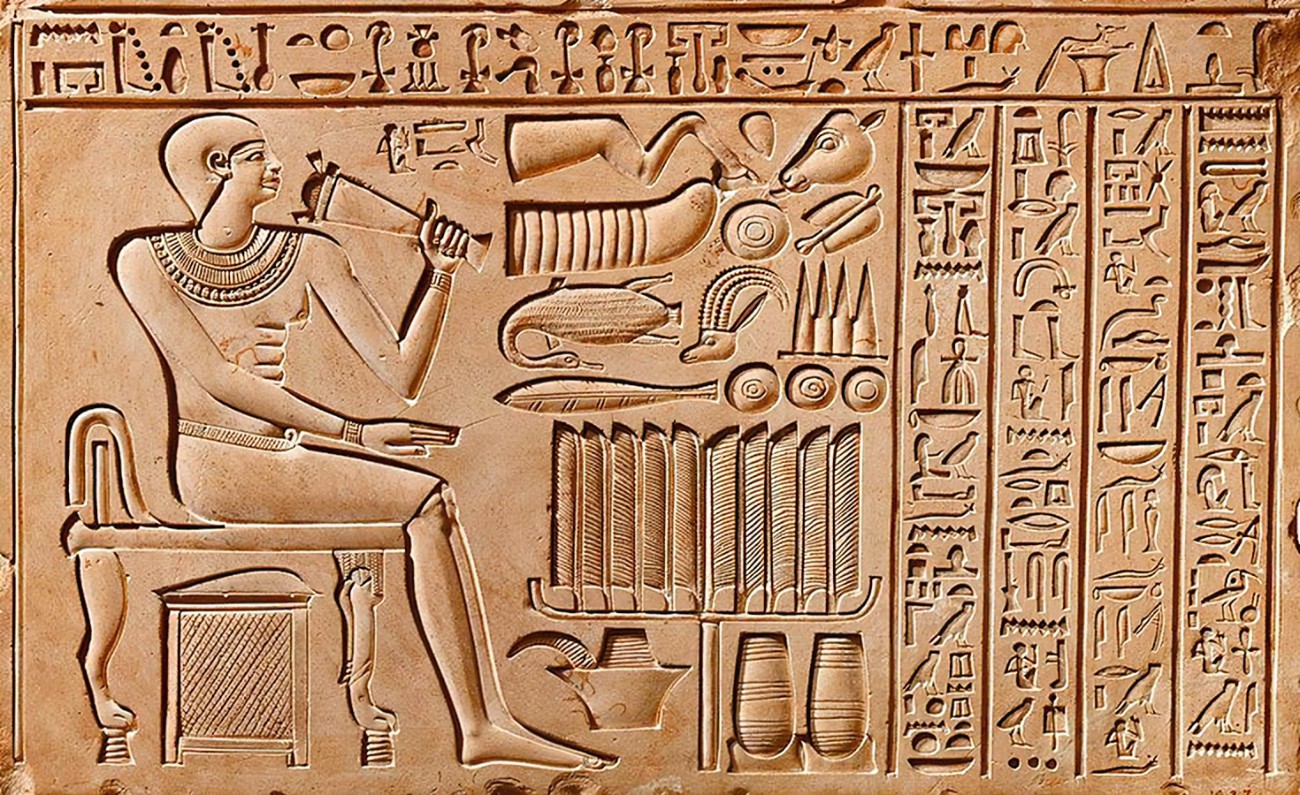
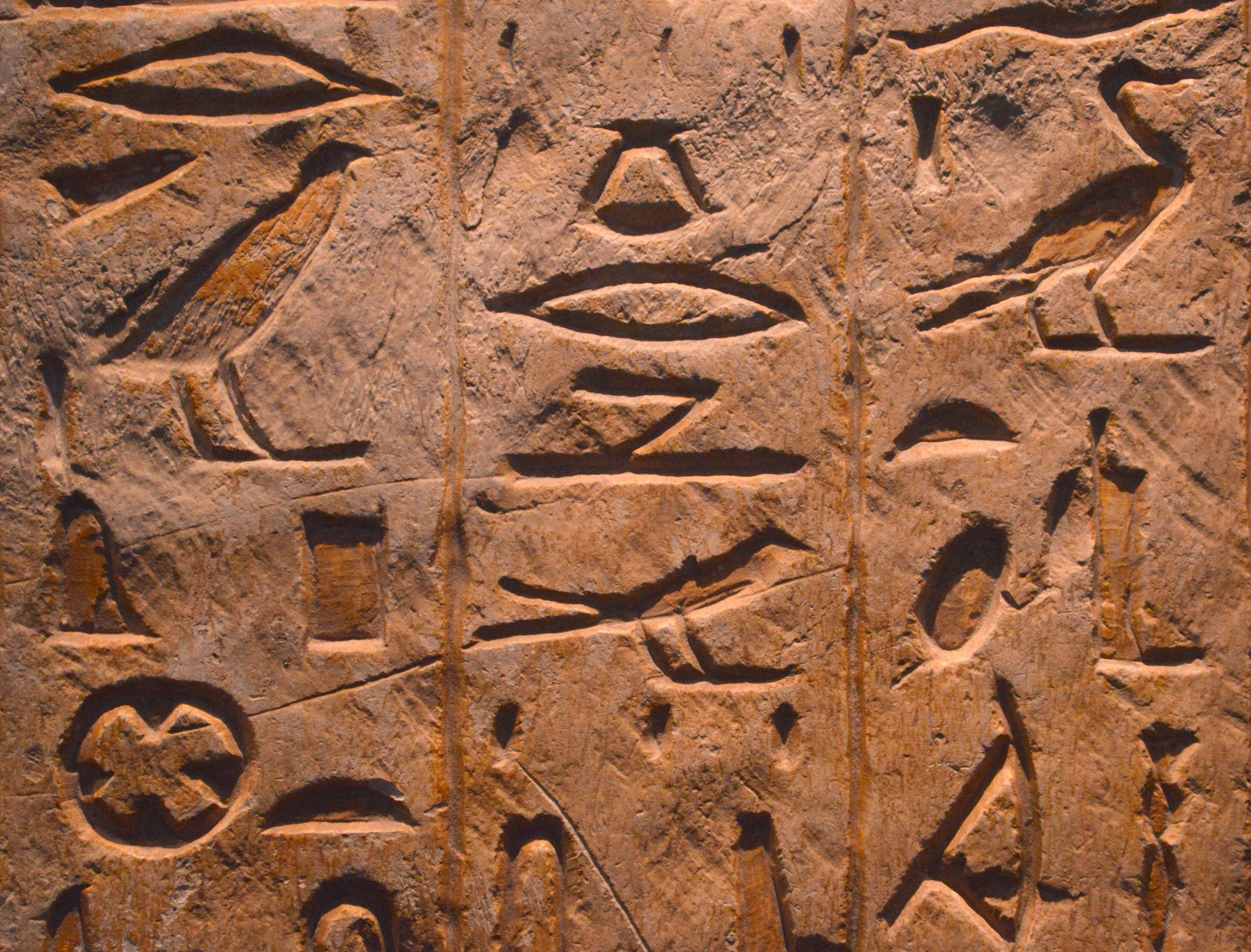
Over the past two weeks, the class discussion has begun to center around the process of digitization. We first learned that early humans relied on pictographic writing systems. In ancient Egypt, people used Hieroglyphics to represent everyday objects that people used and interacted with.
Hieroglyphics were an analog form of communciation because the Egyptians were using symbols that could represent multiple meanings depedning on the context. For example, a symbol of a cow could refer to an actual cow, a sound, or a different abstract concept. The vast range of symbols that the Egyptians used meant that people had to have lots of context to understand what the Hieroglyphic message was saying.
One major downfall of this system was the fact that the vast number of symbols needed to represent different ideas, meaning that there were many inefficiencies in learning and recording the information. Likewise, there was a good chance that people would misinterpret a symbol because the picture was not recorded accurately or because the symbol could resemble other objects.
Over time, the communication started to transition from analog to digital with the creation of an Alphabet system. Now, people were using symbols to represent sounds instead of whole objects and people. The big change here is that the writing went from vast and infinite to a limited system set of symbols that when combined, represent an ongoing number of words and meanings.
As time went on, different civilizations starting profecting the alphabet and adding thier own new symbols. The two major civilizations that refined the Alphabet was first the Greeks, then later the Romans. The Alphabet we use today consists of 26 symbols, representing the 26 sounds that humans can produce with thier mouths and vocal cords.